Escalation in Gaza: Understanding the Renewed Conflict Between Israel and Hamas
Table of Contents
- Brunei, Indonesia, Malaysia gesa gencatan senjata segera di Gaza di ...
- How much aid Gaza needs to survive: A visual guide | CNN
- Gaza en 2023 : population, densité, superficie… Ce qu’il faut savoir
- Gaza hospitals risk turning into morgues, Red Cross says
- Israel-Gaza war: Hamas responds to ceasefire offer with 135-day truce ...
- Jonathan Cook - How the Western media helped build the case for ...
- Dans la bande de Gaza transformée en "champ de bataille", "l'enfer a ...
- "Хората не стигат". Според руски генерали е неизбежна нова мобилизация ...
- Scouring for Meaning, and Hope, in the Rubble of Gaza – The Cairo ...
- Новинки і зміни для українців у 2025 році: чого чекати | Chas.News

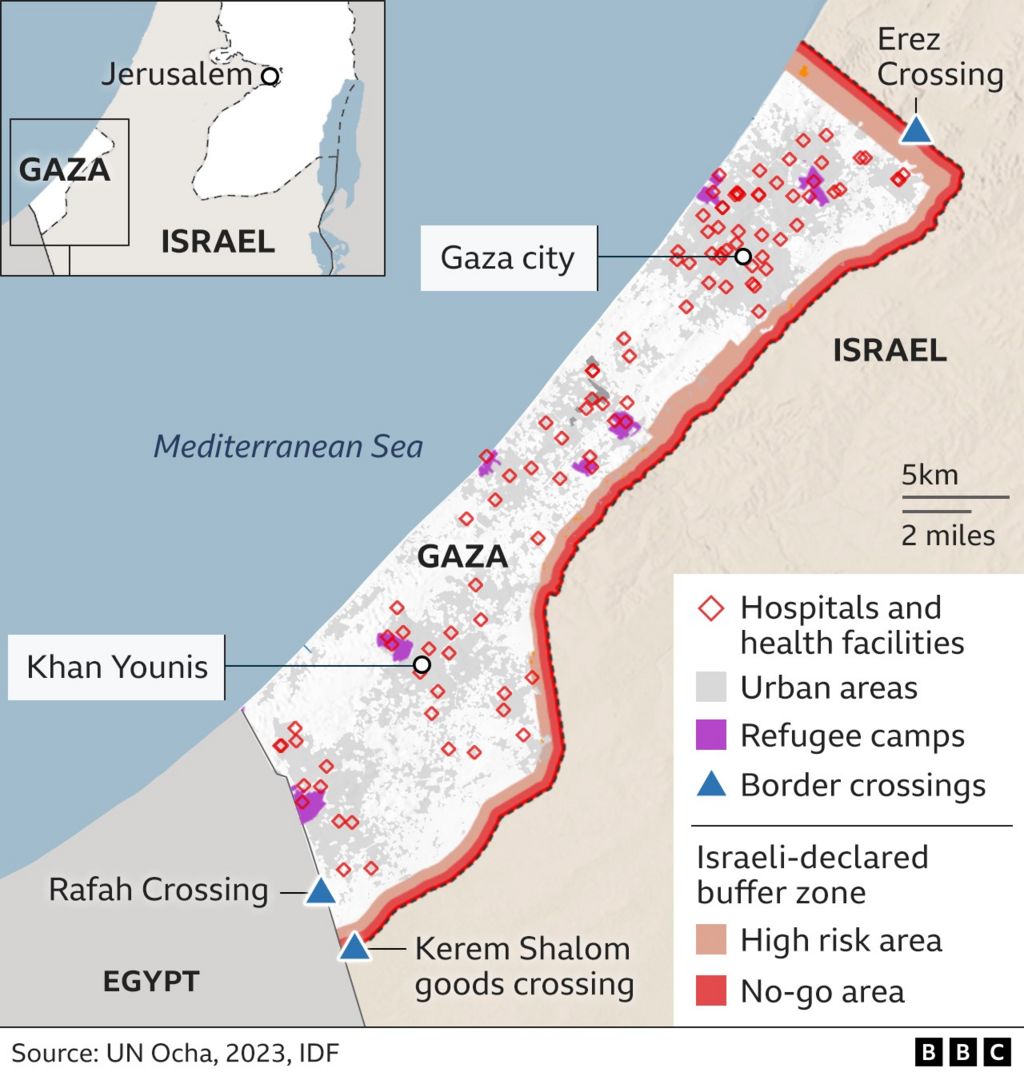
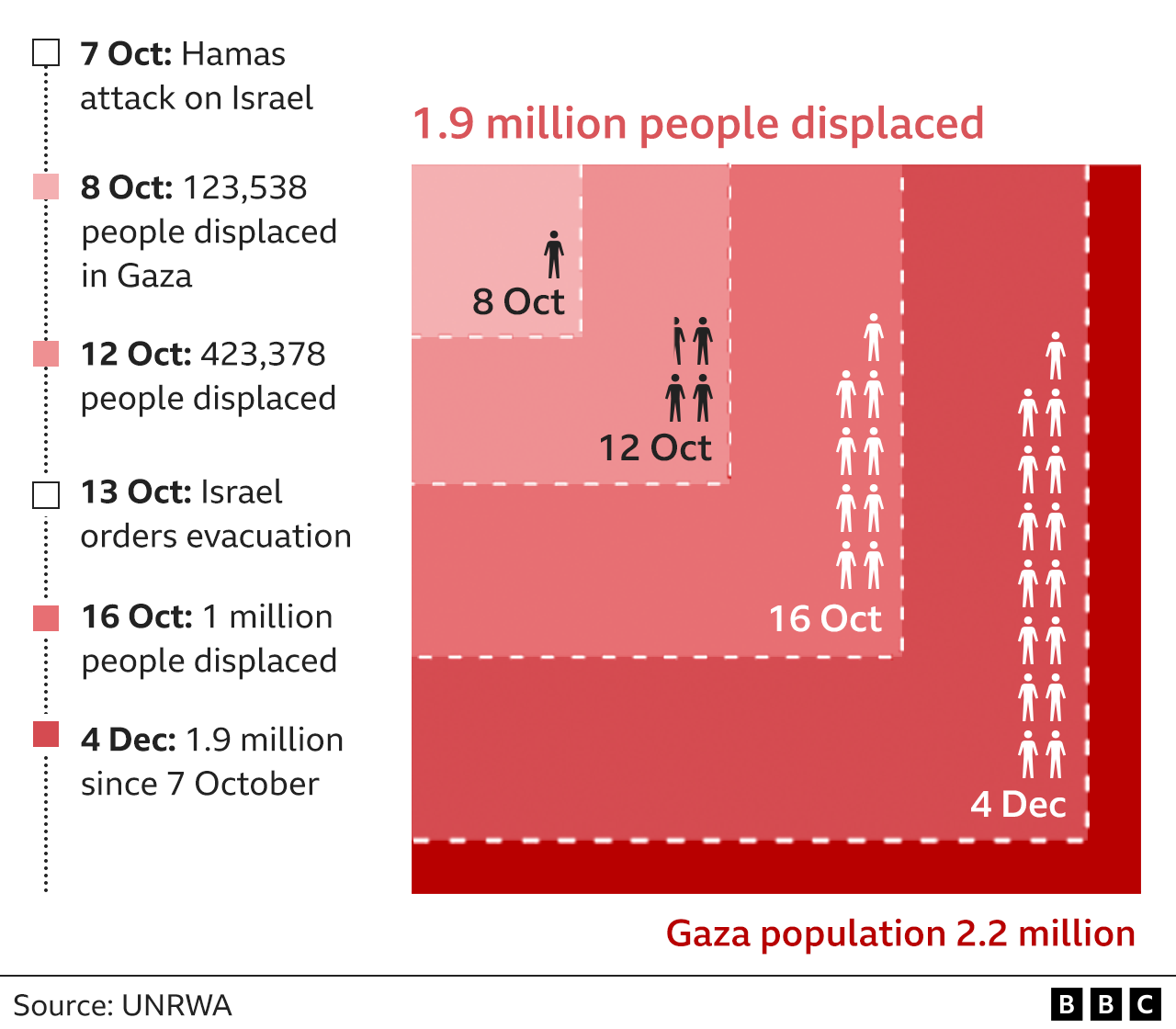
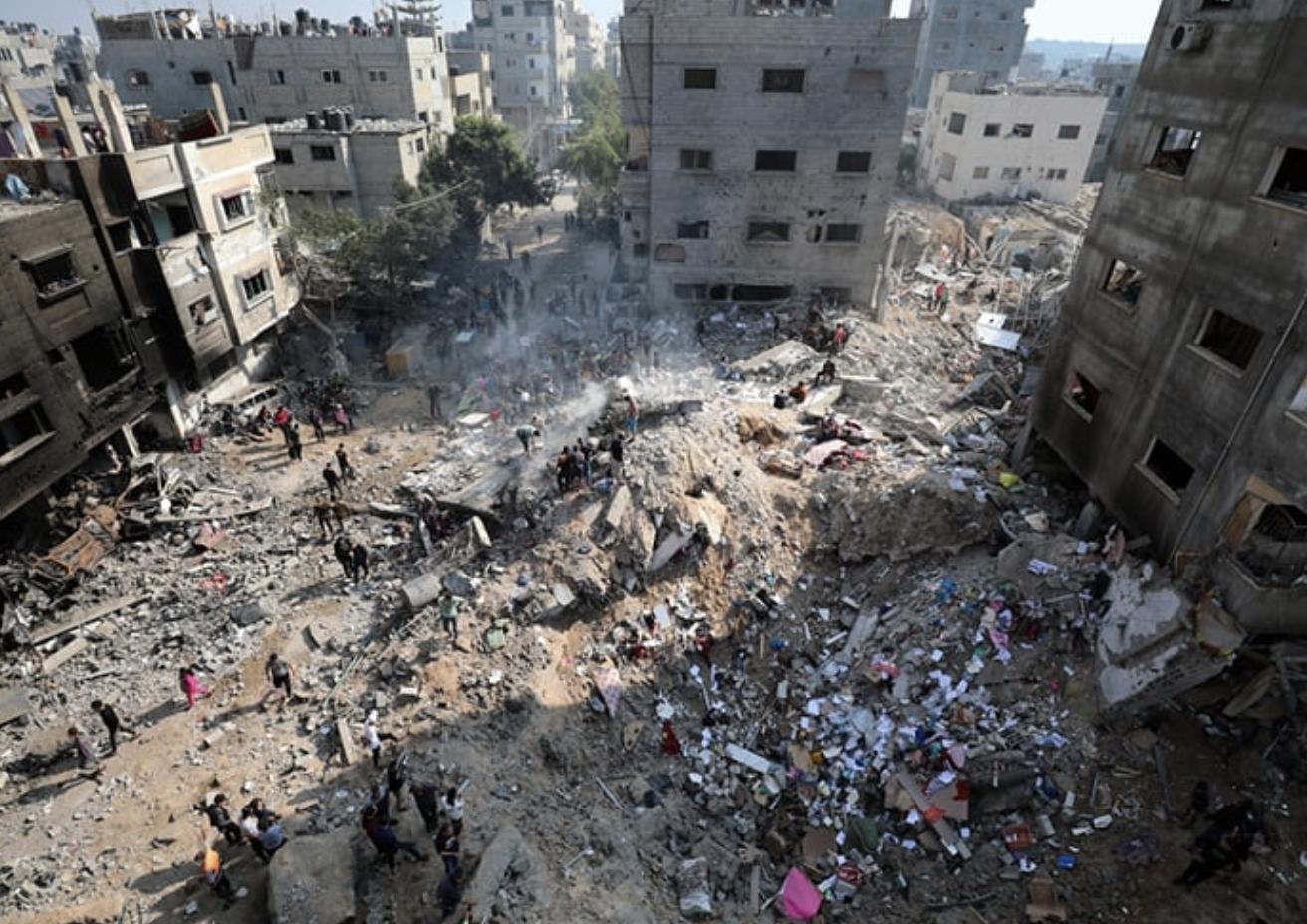
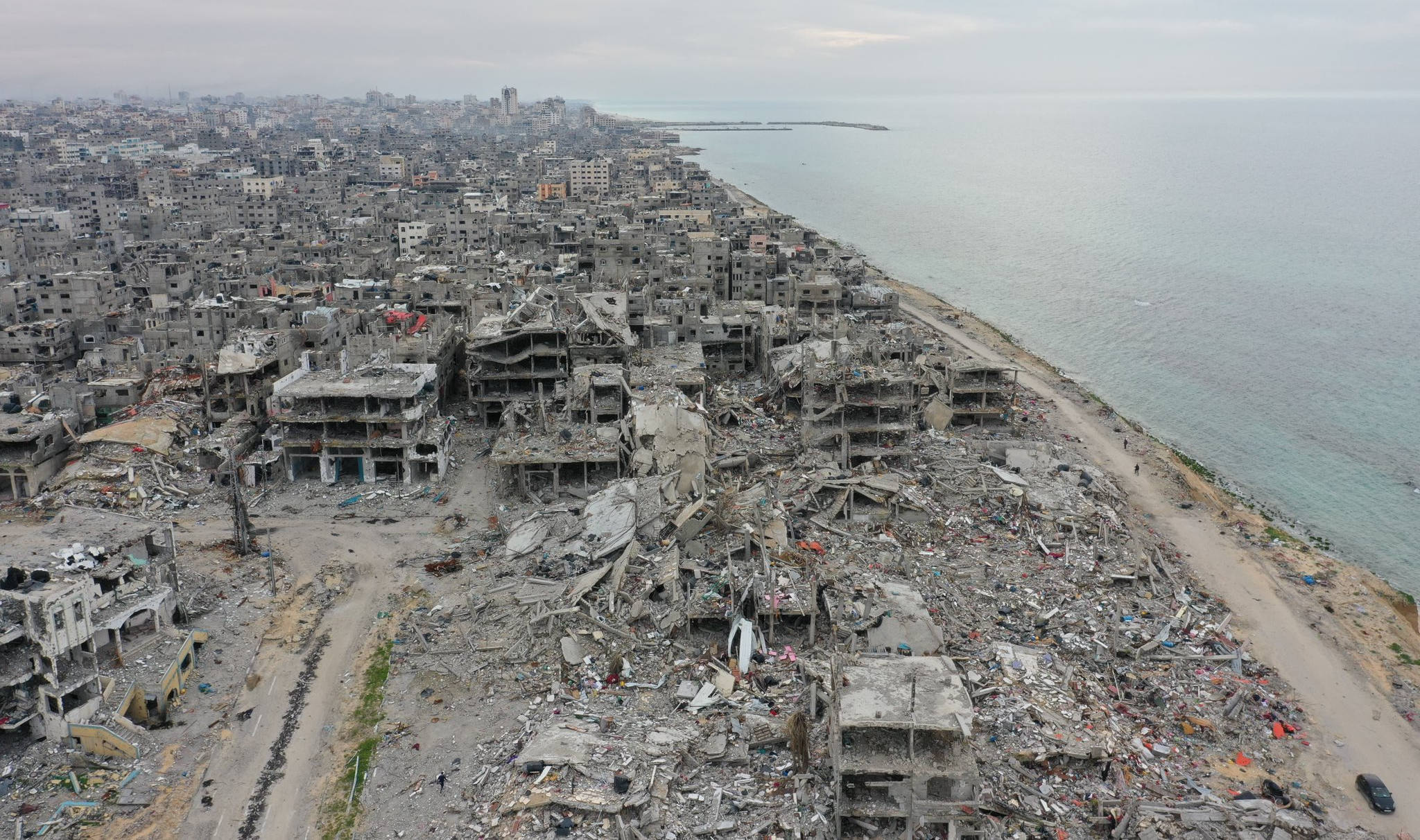
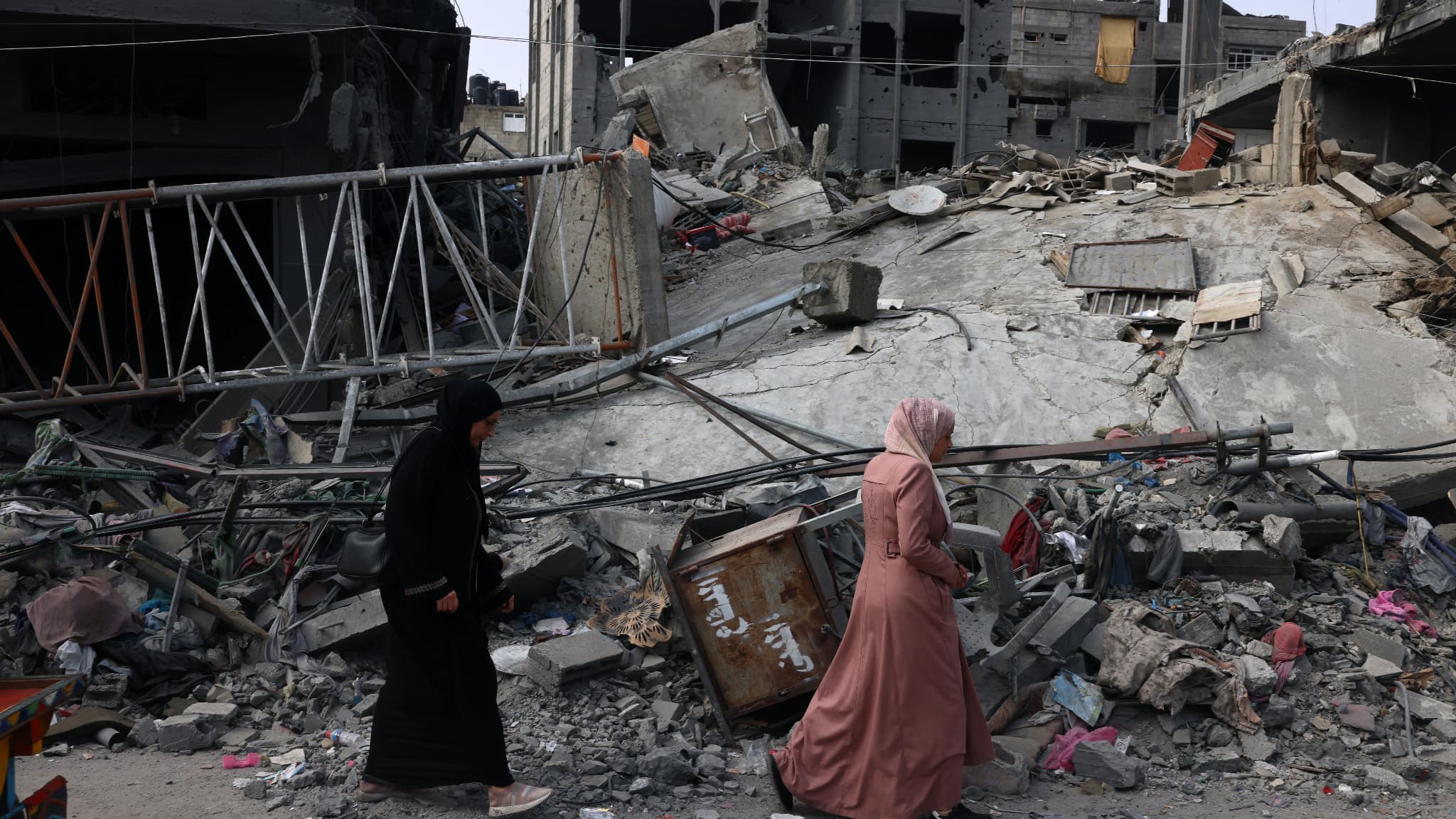
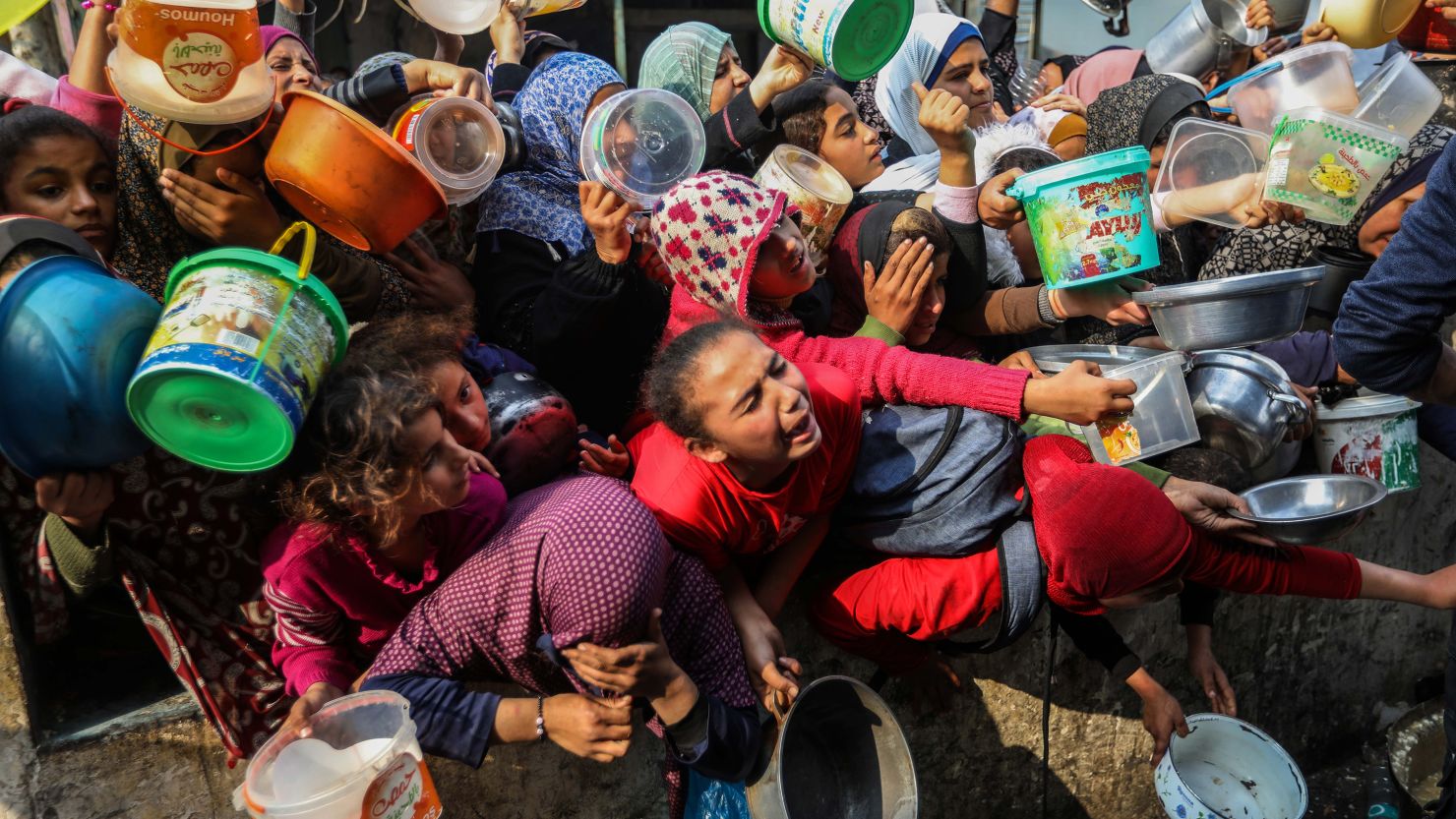
The Israeli-Palestinian conflict is a longstanding and complex issue, with deep-rooted historical, political, and cultural factors contributing to the ongoing tensions. The current escalation can be attributed to a combination of factors, including the increasing tensions between Israel and Hamas, the rise of extremist groups in the region, and the stalled peace process. The situation has been further complicated by the humanitarian crisis in Gaza, where the population faces severe poverty, unemployment, and limited access to basic necessities like food, water, and healthcare.
Historical Context
Current Developments

The international community has a crucial role to play in resolving the conflict, and diplomatic efforts are underway to broker a peaceful resolution. The United States, United Kingdom, and European Union have all called for calm and restraint, while also emphasizing the need for a two-state solution to the conflict.

For more information on the conflict in Gaza, visit CNN or BBC News for up-to-date coverage and analysis. You can also follow United Nations and International Committee of the Red Cross on Twitter for the latest developments and humanitarian updates.